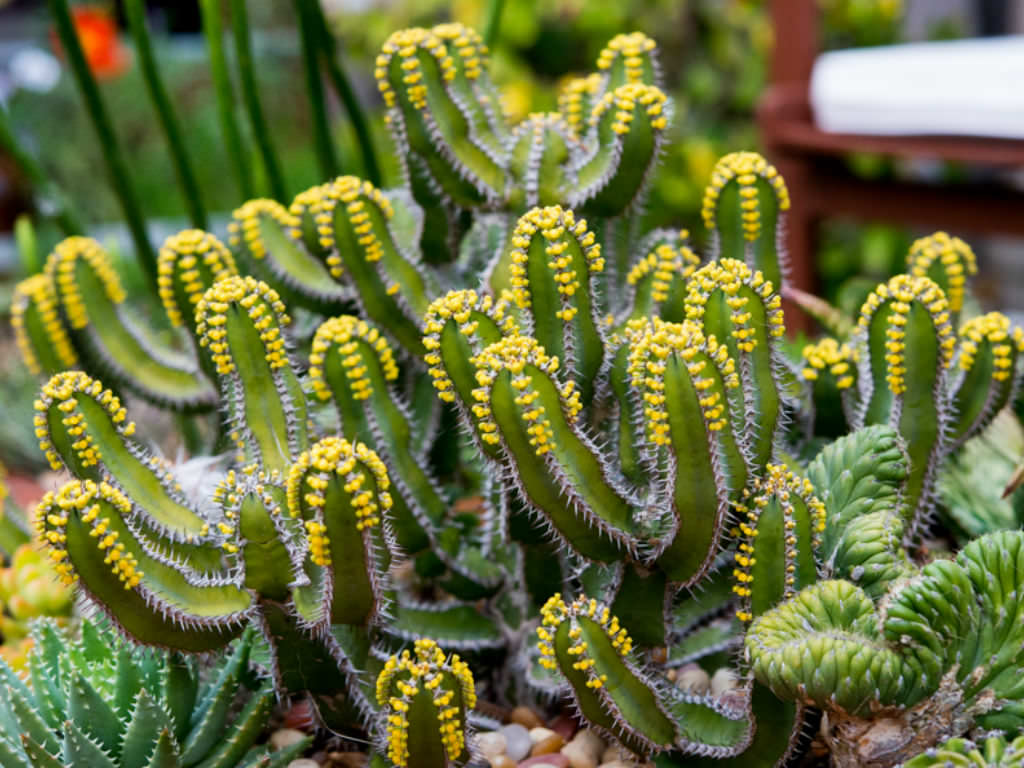
Easy Euphorbia Propagation: Grow New Plants with Minimal Effort
Euphorbia, often referred to as spurges, is an incredibly diverse genus of flowering plants, boasting over 2,000 species that thrive in a myriad of climates, from arid deserts to lush tropics. Among their ranks are popular houseplants like the iconic Poinsettia, the resilient Crown-of-Thorns, and the unique Pencil Cactus. What makes these botanical beauties even more appealing to plant enthusiasts is their remarkable ease of care and, perhaps more excitingly, their straightforward propagation. If you've ever wondered how to propagate Euphorbia to expand your collection or share with friends, you're in luck! This article will guide you through simple, effective methods to grow new Euphorbia plants with minimal fuss, transforming a single plant into many.
Why Propagate Euphorbia? The Joy of Expansion
The decision to propagate Euphorbia often stems from a desire to multiply the beauty these plants bring, but the benefits extend far beyond mere aesthetics. Learning how to propagate Euphorbia opens up a world of gardening satisfaction and practical advantages:
- Expand Your Collection for Free: Instead of purchasing new plants, you can effortlessly create more from your existing ones, saving money and diversifying your indoor or outdoor garden.
- Share the Greenery: Propagated Euphorbias make wonderful, thoughtful gifts for fellow plant lovers, spreading the joy of gardening.
- Save a Struggling Plant: If your mother plant is getting leggy, damaged, or showing signs of decline, taking cuttings can be a proactive way to ensure its legacy lives on.
- Rejuvenate Mature Plants: Some propagation methods, like division, can help rejuvenate an overgrown or crowded Euphorbia, promoting healthier growth.
- Deepen Your Gardening Connection: There's immense satisfaction in watching new life spring from a simple cutting, enhancing your understanding and appreciation for plant biology.
Many beloved Euphorbia species, including the striking 'Snow on the Mountain' and the robust Crown-of-Thorns, respond exceptionally well to propagation, making it a rewarding endeavor for gardeners of all skill levels.
Essential Tools and Preparation for Successful Propagation
Before you dive into the exciting world of Euphorbia propagation, gathering the right tools and understanding some crucial preparatory steps will significantly increase your success rate. While Euphorbias are generally forgiving, a little planning goes a long way.
Must-Have Tools:
- Sharp, Sterilized Cutting Tool: A clean, sharp knife, pair of scissors, or pruning shears is paramount. Sterilizing your blade with rubbing alcohol before each use prevents the spread of diseases between plants.
- Protective Gloves: Most Euphorbias produce a milky white sap (latex) when cut. This sap can be irritating to skin and eyes, and some varieties are highly toxic. Always wear gloves, and consider eye protection.
- Rooting Hormone (Optional but Recommended): While not strictly necessary for all Euphorbias, a rooting hormone powder or gel can encourage faster and stronger root development, especially for more challenging varieties.
- Well-Draining Potting Mix: A specialized succulent or cactus mix is ideal. If you're mixing your own, combine regular potting soil with perlite, pumice, or coarse sand to ensure excellent drainage.
- Small Pots or Trays: Individual pots for cuttings, or a propagation tray for leaf cuttings. Ensure they have drainage holes.
- Watering Can or Spray Bottle: For moistening soil and maintaining humidity.
Crucial Preparatory Steps:
One of the most vital steps for Euphorbia propagation, often overlooked, is the handling of their characteristic milky sap. When you make a cut, the plant will "bleed" this latex. To prevent rot and encourage successful rooting, you must:
- Rinse the Sap: Immediately after taking a cutting, gently rinse the cut end under cool running water for a minute or two to stop the sap flow.
- Callous the Cutting: This is perhaps the most critical step for stem and leaf cuttings. After rinsing, allow the cutting to air dry in a warm, dry spot away from direct sun for several days, or even up to a week, depending on the thickness of the cutting. This forms a protective callus over the wound, preventing rot when planted. Do not skip this step!
Timing is Key: The best time to propagate Euphorbia is during its active growing season, typically spring or early summer. This provides the cuttings with optimal conditions (warmth and light) to root successfully.
Master Euphorbia Propagation Techniques: A Step-by-Step Guide
Now that you're prepared, let's explore the three primary methods for propagating Euphorbia, each suited to different plant types and offering unique advantages. For an even deeper dive into these techniques, explore Master Euphorbia Propagation: 3 Easy Methods for New Plants.
Method 1: Stem Cuttings – The Quickest Path to New Plants
Propagating Euphorbia via stem cuttings is arguably the most popular and efficient method, often yielding new plants relatively quickly. This is excellent for leggy plants that need a trim or when you want to create clones of your favorite varieties.
- Select and Cut: Choose a healthy, robust stem section from your mother plant that is at least 4-6 inches (10-15 cm) long. Using your sterilized tool, make a clean cut just below a node (the point where leaves or branches emerge). Remember your gloves!
- Prepare the Cutting: Immediately rinse off the milky sap. Once the sap flow stops, remove any leaves from the bottom 1-2 inches of the cutting. This prevents them from rotting once planted and directs the plant's energy towards root production.
- Callous: Lay the cutting in a dry, well-ventilated area for 3-7 days until a dry, hardened callus forms over the cut end. This crucial step prevents rot when the cutting is introduced to moisture.
- Apply Rooting Hormone (Optional): Once calloused, dip the cut end into rooting hormone powder or gel, shaking off any excess.
- Planting:
- In Soil: Plant the calloused cutting directly into a small pot filled with well-draining succulent/cactus mix. Bury the bottom 1-2 inches. Do not water immediately; wait a few days to a week to allow any minor nicks to heal further.
- In Water: For some Euphorbias, rooting in water can also be successful. Place the calloused cutting in a jar with just enough water to cover the bottom 1-2 inches. Change the water every few days to keep it fresh.
- Aftercare: Place your newly planted cutting in a location with bright, indirect light. If rooting in soil, water sparingly only when the soil is completely dry to the touch. Avoid overwatering, which can lead to rot. If rooting in water, monitor for root development, typically within a few weeks to a month. Once roots are about an inch long, transplant carefully into soil.
Method 2: Leaf Cuttings – Patience Rewarded with Tiny Offsets
Leaf cuttings are a fascinating way to propagate some Euphorbia species, particularly those with fleshy leaves like certain Poinsettias or Crown-of-Thorns varieties. This method requires a bit more patience but can yield multiple new plantlets from a single leaf.
- Select and Cut: Choose a healthy, mature leaf from the mother plant. Using your sterilized tool, snip the leaf off cleanly at its base, ensuring you get a small piece of the stem tissue (the petiole) attached.
- Prepare and Callous: Just like stem cuttings, rinse off any sap and then allow the leaf cutting to callous for 2-5 days in a dry, well-ventilated area.
- Planting: Once calloused, lay the leaf on its side directly on top of a moist, well-draining soil/peat moss mixture. You can also lightly press the base of the leaf into the soil.
- Environmental Conditions: Place the tray or pot in a warm spot with bright, indirect light. Maintain consistent, but not overly saturated, moisture in the soil. A humidity dome or covering the tray with plastic wrap can help maintain humidity, but ensure there's still some air circulation to prevent mold.
- Patience and Observation: This method is slower than stem cuttings. Roots may form within several weeks, but the actual new plantlets (offsets) will emerge around the edges or base of the leaf. This can take several months.
- Transitioning: Once the new offsets are a reasonable size and have developed their own root systems, you can gently separate them from the mother leaf and pot them individually.
Method 3: Division – Rejuvenating Mature Clumps
The division method is ideal for larger, clumping Euphorbia varieties that have multiple stems growing from a shared root system. This method not only creates new plants but also helps to rejuvenate and thin out overgrown mother plants. To further enhance your collection, learn more about Propagate Euphorbia: Enhance Your Collection with Simple Methods.
- Prepare the Plant: Water the mother plant thoroughly a day or two before division to ensure it's well-hydrated.
- Extract the Plant: Carefully dig up the entire Euphorbia clump from its garden bed or gently remove it from its pot. Try to keep as much of the root ball intact as possible.
- Identify Division Points: Gently brush away excess soil to expose the root system. Look for natural separations or distinct clumps of stems that can be easily pulled apart.
- Divide: Depending on the size and structure of the plant, you can often divide it manually by gently pulling the sections apart. For more stubborn clumps, use a sharp, sterilized spade or knife to cut through the root ball, ensuring each new section has a good portion of roots and at least one healthy stem. Remember your gloves for sap!
- Replant Immediately: Plant each divided section into new pots filled with well-draining soil or back into the garden. Ensure the planting depth is similar to how they were growing previously.
- Aftercare: Water lightly after replanting. Place the newly divided plants in a location with bright, indirect light. They may experience a bit of transplant shock, so avoid direct, harsh sunlight for a week or two. Resume regular watering once they show signs of recovery and new growth.
Post-Propagation Care: Nurturing Your New Euphorbias
Once your Euphorbia cuttings have rooted or your divisions are settled, providing optimal care is crucial for their long-term health and growth. Consistency is key, especially during their establishment phase.
- Light: Provide bright, indirect light. While many Euphorbias love sun, young plants and newly rooted cuttings can be sensitive to intense direct sunlight, which might scorch tender new growth.
- Watering: This is paramount for succulents. Always allow the soil to dry out completely between waterings to prevent root rot, which is particularly detrimental to young Euphorbias. When you do water, water thoroughly until it drains from the bottom of the pot. Reduce watering significantly in cooler, dormant months.
- Temperature and Humidity: Most Euphorbias prefer warm temperatures (above 60°F / 15°C) and moderate to low humidity. Protect them from sudden temperature drops or drafts.
- Fertilization: Once your new Euphorbias are well-established and showing active growth (typically a few months after propagation), you can begin to fertilize sparingly during the growing season with a balanced, diluted liquid succulent fertilizer. Avoid fertilizing weak or newly rooted plants.
- Pest Watch: Keep an eye out for common succulent pests like mealybugs or spider mites. Healthy, well-cared-for plants are more resistant.
- Potting Up: As your new plants grow, they may eventually outgrow their small propagation pots. Repot them into a slightly larger container with fresh, well-draining soil when you see roots starting to emerge from the drainage holes.
Conclusion
Propagating Euphorbia is an incredibly rewarding aspect of gardening that requires little more than basic tools, a bit of patience, and keen observation. Whether you opt for the rapid results of stem cuttings, the delightful emergence of offsets from leaf cuttings, or the rejuvenating power of division, you'll find that these resilient plants readily multiply. By following these simple steps and providing attentive post-propagation care, you can easily expand your Euphorbia collection, share your green thumb with others, and revel in the beauty of new life emerging from your efforts. Embrace the process, and watch your collection flourish!