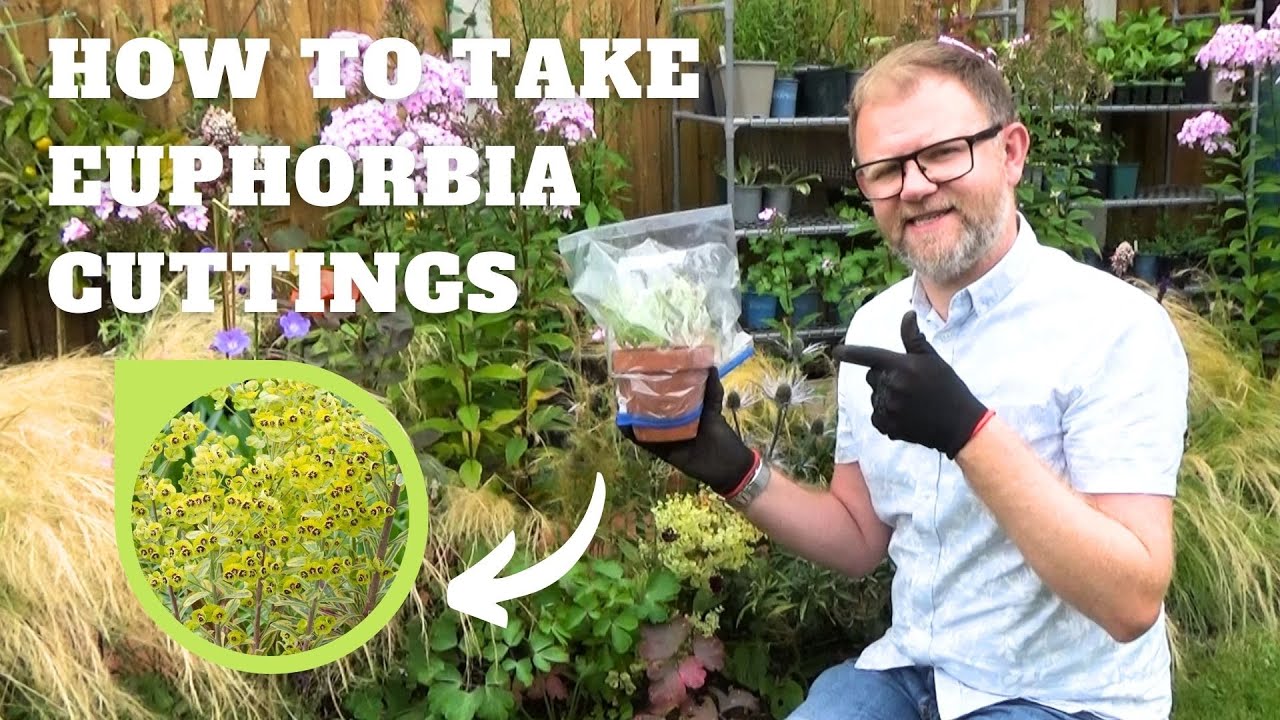
Master Euphorbia Propagation: 3 Easy Methods for New Plants
Euphorbias, often affectionately known as spurges, are an incredibly diverse and captivating genus of flowering plants. With species thriving in both tropical warmth and temperate zones, their adaptability is matched only by their striking appearance. From the festive cheer of the Poinsettia to the architectural wonder of the Pencil Cactus and the resilient beauty of the Crown-of-Thorns, Euphorbias have become cherished houseplants and garden staples worldwide. Their popularity isn't just due to their aesthetic appeal; these plants are remarkably easy to care for and, perhaps most excitingly, propagate with minimal effort. If you've ever wondered how to propagate Euphorbia to expand your collection or share with friends, you're in for a treat. This comprehensive guide will walk you through three highly effective methods to successfully create new Euphorbia plants from your existing specimens.
Why Propagate Euphorbia? Expanding Your Green Oasis
Learning how to propagate Euphorbia isn't just a fun gardening project; it offers a multitude of benefits that enhance your overall plant-parenting experience. Firstly, it's an incredibly cost-effective way to expand your collection. Instead of buying new plants, you can multiply your favorites, like the vibrant Snow on the Mountain or the robust Crown-of-Thorns, for free. Secondly, propagation allows you to rejuvenate older, leggy plants. By taking cuttings, you encourage bushier growth on the mother plant while simultaneously creating new, compact specimens. Thirdly, it's a fantastic way to share your passion! New plants make thoughtful gifts for fellow enthusiasts. Finally, there's an immense sense of satisfaction that comes from watching a small cutting transform into a thriving plant under your care. It deepens your connection to the natural world and sharpens your gardening skills.
Essential Preparations Before You Begin Your Propagation Journey
Before diving into the specific propagation techniques, a few universal best practices will significantly increase your success rate and ensure your safety:
- Safety First: Beware the Milky Sap! Most Euphorbia species produce a milky white sap (latex) when cut. This sap can be irritating to the skin and eyes, and toxic if ingested. Always wear gloves and eye protection when handling Euphorbias, and wash your hands thoroughly after any contact. Keep pets and children away from freshly cut plants.
- Sterilize Your Tools: Use a sharp, clean knife, razor blade, or pair of pruning shears. Sterilizing your tools with rubbing alcohol before each cut minimizes the risk of introducing diseases to both the mother plant and the new cuttings.
- Choose a Healthy Mother Plant: Select a vigorous, disease-free Euphorbia for propagation. Healthy parent plants produce stronger cuttings with a higher chance of rooting successfully.
- Timing is Key: While propagation can often be done year-round indoors, the best time to propagate Euphorbias is during their active growing season, typically spring or early summer. This is when the plant is putting out new growth and has the most energy to dedicate to root development.
- Prepare Your Rooting Medium: A well-draining soil mix is crucial for Euphorbia propagation. A specialized cactus and succulent mix, or a blend of potting soil with perlite or coarse sand, works perfectly. Ensure your pots or trays have drainage holes.
Method 1: The Reliable Stem Cutting Technique
Stem cuttings are arguably the most popular and effective way to propagate many Euphorbia varieties, especially those with succulent stems like the Pencil Cactus or various other branched types. This method allows you to quickly generate new plants that are genetically identical to the parent.
Choosing and Preparing Your Cuttings
- Select a Healthy Stem: Identify a vigorous, non-flowering stem from your mother plant. Avoid old, woody sections or overly soft, new growth.
- Make a Clean Cut: Using your sterilized sharp blade, make a clean cut just below a node (where a leaf or branch emerges) or at the desired length. Aim for a cutting that is 4-6 inches (10-15 cm) long.
- Handle the Sap: Immediately after cutting, you'll likely see the milky sap ooze out. You can dab it gently with a paper towel or rinse the cut end under cool water for a few minutes to stop the flow.
- Remove Lower Leaves: Carefully strip any leaves from the bottom 1-2 inches (2.5-5 cm) of the cutting. This prevents them from rotting once planted and directs the plant's energy towards root production. Leave the upper leaves intact to aid photosynthesis.
- The Crucial Callus Step: This is perhaps the most important step for succulent Euphorbia cuttings. Do NOT plant the cutting immediately. Instead, place it in a dry, airy location (out of direct sunlight) for several days to a week. This allows the cut end to form a protective callus, which is essentially a scab. Planting a fresh cutting without callusing makes it highly susceptible to rot. The thicker the stem, the longer it might need to callus.
Rooting Your Stem Cuttings
Once your cuttings have successfully callused, you have a couple of options for rooting:
Option A: Rooting in Soil (Recommended for most Euphorbias)
- Prepare the Pot: Fill a small pot (2-4 inches) with your well-draining cactus/succulent mix. Moisten the soil lightly.
- Plant the Cutting: Make a small hole in the center of the soil with your finger or a stick. Gently insert the callused end of the cutting into the hole, ensuring about 1-2 inches (2.5-5 cm) are buried. Lightly firm the soil around the base to keep it upright. Rooting hormone is optional but can speed up the process.
- Provide Ideal Conditions: Place the potted cutting in a location with bright, indirect light and consistent warm temperatures (ideally 65-75°F / 18-24°C).
- Watering: Water very sparingly until roots have formed. Overwatering is the quickest way to rot your cutting. A light misting of the soil surface every few days might be enough, or water only when the top inch of soil is completely dry.
Option B: Rooting in Water (For some varieties, but be cautious)
While possible for some Euphorbias, rooting in water carries a higher risk of rot due to the milky sap and is generally less recommended than soil rooting for succulent species. If attempting, ensure the sap flow has completely stopped and the cutting has callused for at least a day or two. Place the cutting in a clear glass of water, ensuring only the bottom inch is submerged. Change the water every few days to keep it fresh. Once roots appear (usually within a few weeks), transfer to soil promptly, as water roots are different from soil roots and need to adapt.
Care After Rooting
You'll know your cutting has rooted when you feel resistance if you gently tug on it, or when you see new growth emerging from the top. Once rooted, treat it as a young Euphorbia plant. Gradually introduce it to more light, water more consistently (but still allowing the soil to dry out between waterings), and consider a very diluted feed after a month or two. For more details on nurturing your new sprouts, check out our guide on Easy Euphorbia Propagation: Grow New Plants with Minimal Effort.
Method 2: Propagating Euphorbia Through Leaf Cuttings
Leaf cuttings are a fascinating method, though it's important to note that this technique doesn't work for all Euphorbia species. It's generally most successful for those with thicker, fleshier leaves, such as certain Crown-of-Thorns varieties (Euphorbia milii) or similar succulent types. Euphorbias like Poinsettias, for instance, are rarely propagated effectively this way.
Selecting and Preparing Leaves
- Choose Healthy, Mature Leaves: Select plump, healthy leaves from an established mother plant. Avoid any that are discolored, damaged, or overly old.
- Make a Clean Cut: Using your sharp, sterilized scissors or blade, carefully snip off individual leaves, ensuring you get a small portion of the petiole (leaf stem) if present, or as much of the leaf base as possible.
- Callus the Leaves: Just like stem cuttings, leaf cuttings benefit greatly from callusing. Place the harvested leaves in a dry, well-ventilated area, out of direct sun, for 2-5 days until the cut end forms a dry, protective layer. This is vital to prevent rot.
Planting Leaf Cuttings
- Prepare the Medium: Fill a shallow tray or pot with a pre-moistened, very well-draining mix, such as a peat moss and perlite blend, or fine cactus soil.
- Position the Leaves: You have a couple of options:
- Laying Flat: Simply lay the callused leaves flat on the surface of the moist soil.
- Inserting Upright: For leaves with a distinct petiole, you can gently insert the callused end into the soil at a slight angle, burying about a quarter of the leaf.
- Provide Ideal Conditions: Place the tray in a warm spot (ideally 70-80°F / 21-27°C) with bright, indirect light. Maintain consistent, light moisture in the soil, but never let it become soggy. A humidity dome or clear plastic cover can help maintain humidity, but ensure good air circulation to prevent fungal issues.
Patience and Progress
Rooting from leaf cuttings often takes longer than stem cuttings, typically several weeks to a few months. Eventually, small roots will emerge from the callused end, followed by tiny offsets (miniature plants) forming around the edges or at the base of the leaf. Once these offsets are a decent size (e.g., an inch or two tall) and have developed their own root system, you can carefully separate them from the mother leaf and pot them individually. This method truly works best during the warmer months when conditions are most favorable for growth.
Method 3: The Division Method for Established Clumps
The division method is an excellent choice for larger, clumping Euphorbia species that naturally grow in multi-stemmed groups, like some succulent shrub forms or groundcover types. It's a quick way to get substantial new plants, as each division already has an established root system.
When and How to Divide
- Identify Clumping Plants: This method is ideal for Euphorbias that produce multiple stems from their base, forming a dense clump over time.
- Best Time for Division: The ideal time to divide is when the plant is actively growing, typically in spring or early summer, or when you are repotting an overgrown specimen.
- Prepare for the Task: You'll need gloves, eye protection, and a sharp shovel, spade, or sturdy knife, depending on the size and root density of the plant.
- Carefully Excavate: Gently dig up the entire Euphorbia clump from its pot or garden bed. Try to keep the root ball as intact as possible.
- Identify Natural Divisions: Examine the root ball and look for natural sections or individual rosettes with their own root systems.
- Separate the Divisions: Using your shovel, spade, or knife, carefully cut or pull apart these natural divisions. Ensure each new section has a healthy portion of roots and foliage. You may need to be firm, but try to minimize damage. If the plant produces a lot of sap, you can rinse the cut surfaces with water to stop the flow before replanting, or allow them to callus briefly for a day.
Replanting Divided Sections
- Immediate Replanting: Unlike cuttings, divisions should be replanted fairly quickly. Prepare new pots or garden spots with fresh, well-draining soil.
- Plant Individually: Plant each divided section at the same depth it was growing previously. Backfill with soil and gently firm around the base.
- Initial Care: Water lightly immediately after planting to help settle the soil. Place the newly divided plants in a spot with bright, indirect light. Monitor them closely for the first few weeks; they may experience some transplant shock, but with proper care, they will quickly recover and continue growing happily as separate entities. To further enhance your collection and streamline your propagation efforts, delve into our guide on Propagate Euphorbia: Enhance Your Collection with Simple Methods.
General Care Tips for Your New Euphorbia Plants
Once your new Euphorbia plants are established, their care is relatively straightforward:
- Light: Most Euphorbias thrive in bright, indirect light. Some can tolerate direct sun, especially succulent varieties, but protect them from intense afternoon sun, particularly in hot climates.
- Watering: Euphorbias are susceptible to rot if overwatered. Allow the soil to dry out completely between waterings, then water thoroughly until it drains from the bottom of the pot. Reduce watering in winter when the plant's growth slows.
- Soil: Continue to use a well-draining cactus or succulent mix to ensure proper aeration and prevent root rot.
- Fertilizing: Feed sparingly during the active growing season (spring/summer) with a balanced, diluted liquid fertilizer. Avoid fertilizing in winter.
- Pest Control: Euphorbias are generally pest-resistant, but occasionally mealybugs or spider mites can be an issue. Inspect your plants regularly and treat any infestations promptly with insecticidal soap or neem oil.
Propagating Euphorbias is a truly rewarding aspect of gardening that requires little more than basic knowledge, a few simple tools, and a bit of patience. Whether you choose the reliable stem cutting method, experiment with leaf cuttings for specific varieties, or divide established clumps, you'll soon be enjoying a thriving collection of new plants. These wonderful and diverse plants offer continuous beauty, both indoors and out, and mastering how to propagate Euphorbia will undoubtedly enrich your gardening journey for seasons to come. Happy propagating!