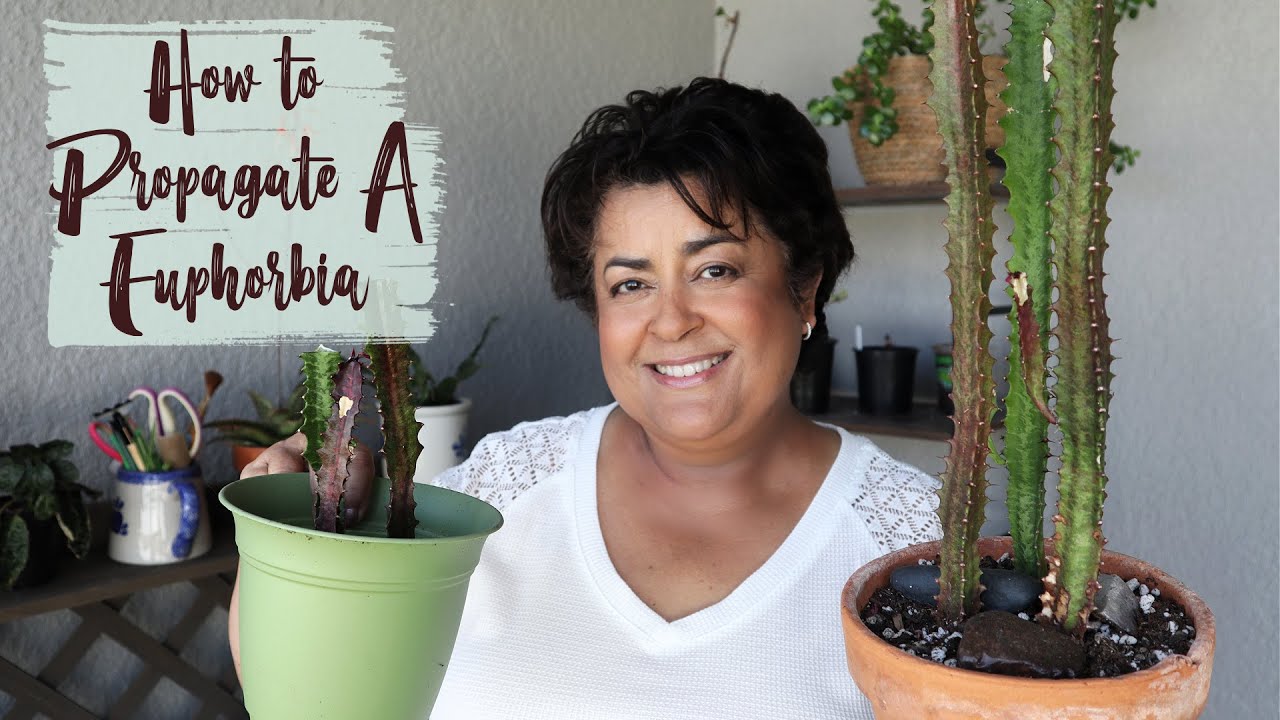
Propagate Euphorbia: Enhance Your Collection with Simple Methods
Euphorbias, a remarkably diverse genus within the plant kingdom, captivate gardeners and enthusiasts alike with their stunning variety. From the festive Poinsettia and the resilient Crown-of-Thorns to the architectural Pencil Cactus, these "spurges" offer unique forms and textures. Native to tropical and temperate regions across the globe, their adaptability makes them a popular choice for both indoor and outdoor cultivation. One of their most appealing traits is their readiness to propagate, allowing enthusiasts to expand their collection, share with friends, or simply rejuvenate existing plants with minimal effort.
Learning How To Propagate Euphorbia not only offers immense satisfaction but also unlocks a world of possibilities for your gardening endeavors. Whether you're a seasoned green thumb or just starting out, the process is surprisingly straightforward. In this comprehensive guide, we'll delve into three effective propagation methods: stem cuttings, division, and leaf cuttings, providing step-by-step instructions, expert tips, and crucial insights to ensure your success.
Essential Preparations for Successful Euphorbia Propagation
Before you even make your first cut, a little preparation goes a long way in ensuring healthy, thriving new plants. Euphorbias, like many succulents, have specific needs that, when met, drastically increase your propagation success rate.
Safety First: Handling Euphorbia Sap
A crucial consideration when working with Euphorbias is their milky white sap, known as latex. This sap can be a skin irritant and, if it comes into contact with eyes, can cause significant discomfort or worse. Always wear gloves and consider eye protection, especially when dealing with larger cuts or plants. If sap gets on your skin, wash it immediately with soap and water. Clean your tools thoroughly after use to prevent sap from hardening and affecting future cuts.
Tools of the Trade and Timing
You don't need fancy equipment, but sharp, clean tools are non-negotiable. A sterile, sharp knife, pruning shears, or scissors will ensure clean cuts, minimizing damage to the plant tissue and reducing the risk of infection. Sterilize your tools with rubbing alcohol or a bleach solution before and after each use.
While some Euphorbias can be propagated year-round in controlled indoor environments, the optimal time for propagation is typically during the plant's active growing season. This usually means spring or early summer when temperatures are warmer, light is abundant, and the plant has ample energy for root and shoot development. This timing encourages faster rooting and establishment, giving your new propagations the best possible start.
Choosing Your Mother Plant and Callusing
Select a healthy, disease-free mother plant for propagation. Strong, vibrant stems or leaves will produce more robust cuttings. For stem cuttings especially, look for segments that are not too old or woody, nor too soft and new.
One of the most critical steps, often overlooked by beginners, is allowing your cuttings to callus. After making your cut, the open wound needs to dry out and form a protective seal. This process, known as callusing, prevents rot when the cutting is introduced to moisture. Depending on the humidity and size of the cutting, this can take anywhere from a few days to two weeks. Simply place your cuttings in a dry, well-ventilated area away from direct sun. A good callus will feel dry and firm at the cut end.
Method 1: Stem Cuttings – The Most Reliable Approach
The stem cutting method is arguably the most popular and reliable way to propagate most Euphorbia varieties, especially those with an upright or branched growth habit like the Pencil Cactus or Crown-of-Thorns. This method allows you to quickly create new plants that are genetically identical to the parent.
Step-by-Step Guide for Stem Cuttings:
- Select and Cut: Choose healthy, non-flowering stems, ideally 4-6 inches (10-15 cm) long. Using your sterilized sharp blade, make a clean, angled cut just below a leaf node. An angled cut increases the surface area for water absorption and helps prevent water from pooling on the cut surface.
- Prepare the Cutting: Carefully remove any leaves from the bottom 1-2 inches of the cutting. This prevents them from rotting once planted and focuses the plant's energy on root production. For succulents like Pencil Cactus, simply ensure the bottom end is clear.
- Callus Thoroughly: As discussed, place your prepared cuttings in a dry, well-ventilated spot for several days to two weeks until the cut end is completely dry and callused. This step is non-negotiable for Euphorbias to prevent rot.
- Optional: Rooting Hormone: Once callused, you can dip the cut end into rooting hormone powder or gel. While not strictly necessary for many Euphorbias, it can accelerate root development and improve success rates.
- Planting: Prepare a well-draining potting mix. A succulent/cactus mix or a blend of potting soil with perlite or coarse sand works well. Create a small hole in the soil with your finger or a stick, then gently insert the callused end of the cutting about 1-2 inches deep. Firm the soil around the base to provide support.
- Initial Care: Place the potted cuttings in a warm location with bright, indirect light. Avoid direct, scorching sun initially. Do not water immediately after planting; wait a few days to a week to give the cutting more time to settle and further reduce the risk of rot, then water sparingly.
You'll typically see signs of rooting, such as new leaf growth or a gentle resistance when lightly tugged, within 3-8 weeks. Patience is key! For more detailed guidance on this and other methods, explore resources like Master Euphorbia Propagation: 3 Easy Methods for New Plants.
Method 2: Division – Rejuvenating Mature Plants
The division method is ideal for clump-forming Euphorbias that produce multiple stems from the base or have expanded significantly in size. This method not only creates new plants but also helps to rejuvenate an overgrown mother plant, preventing it from becoming root-bound and encouraging healthier growth.
Step-by-Step Guide for Division:
- Timing is Key: The best time to divide Euphorbias is in early spring, just as the plant begins its active growth cycle. This gives the newly divided plants ample time to establish before cooler weather sets in.
- Prepare the Mother Plant: Gently dig up the entire Euphorbia clump from its pot or garden bed. Be careful not to damage the root system too much. Shake off excess soil to expose the root ball.
- Locate Natural Divisions: Examine the root ball for natural divisions where individual plant sections can be separated. Some plants will have obvious offsets or separate crowns that can be easily pulled apart.
- Divide the Plant: Using a sharp, sterilized knife, spade, or even your hands (depending on the plant's structure), carefully separate the clump into smaller sections. Ensure each section has a healthy portion of roots and at least one stem or crown. Again, be mindful of the sap.
- Prepare for Replanting: Inspect the divided sections. Trim away any dead or damaged roots. You can allow the cut surfaces of the roots and base to air dry for a day or two to callus, similar to stem cuttings, especially if you made significant cuts.
- Replant: Plant each division into its own pot filled with fresh, well-draining succulent mix, or directly back into the garden if conditions are suitable. Ensure the planting depth is similar to how it was originally growing. Water lightly after a few days.
Dividing not only expands your collection but also ensures the long-term health and vigor of your existing Euphorbia plants.
Method 3: Leaf Cuttings – A Niche but Possible Method
While stem cuttings are the go-to for many Euphorbias, the leaf cutting method, though less common for the popular upright and treelike varieties (like Pencil Cactus or Poinsettia), can be successful for specific rosette-forming or more succulent Euphorbia species. It's an exciting challenge for those looking to experiment and expand their propagation skills.
Step-by-Step Guide for Leaf Cuttings:
- Select Healthy Leaves: Choose plump, healthy leaves from an established mother plant. Gently twist or carefully snip off individual leaves, ensuring you get a clean break at the base. The base of the leaf, where it connects to the stem, is crucial for new growth.
- Callus the Leaves: Lay the detached leaves on a dry surface in a well-ventilated area for several days to a week. This allows the wound to callus over, which is essential to prevent rot.
- Prepare Planting Medium: Use a shallow tray or pot filled with a very well-draining, fine-textured substrate, such as a mix of peat moss and perlite or sand. Lightly moisten the medium.
- Planting the Leaves: Place the callused leaves on their side directly onto the surface of the moist soil. You can also lightly press the callused end into the soil. Do not bury the entire leaf.
- Provide Ideal Conditions: Place the tray in a warm location with bright, indirect light. Maintain consistent, light moisture by misting the soil surface every few days, but avoid overwatering, which can lead to rot.
- Patience and Observation: This method requires considerable patience. Over several weeks to months, you should begin to see small roots emerging from the callused end of the leaf, followed by tiny offsets (miniature plantlets) forming around the edges or base. Once these offsets are large enough and have their own root system, they can be carefully separated and potted individually.
Remember, the success rate with leaf cuttings can vary greatly depending on the specific Euphorbia species. For many, stem cuttings or division will yield more consistent results, as detailed in guides like Easy Euphorbia Propagation: Grow New Plants with Minimal Effort.
Nurturing Your New Euphorbia Plants & Conclusion
Once your Euphorbia propagations have successfully rooted and started to show new growth, the journey isn't over. Proper aftercare is vital for their long-term health and development:
- Light: Gradually introduce your new plants to brighter light. While they appreciated indirect light during rooting, most Euphorbias thrive in plenty of sunlight.
- Watering: Adopt a regular watering schedule suitable for established succulents. Allow the soil to dry out completely between waterings to prevent root rot.
- Temperature & Humidity: Most Euphorbias prefer warm temperatures and average to low humidity. Protect them from sudden temperature drops.
- Patience: Plant propagation is a rewarding but sometimes slow process. Don't be discouraged if not every cutting takes. With observation and consistent care, your success rate will improve over time.
Propagating Euphorbias is a simple yet incredibly rewarding aspect of gardening. It allows you to expand your collection without cost, share the beauty of these unique plants with others, and deepen your understanding of plant life cycles. Whether you opt for the highly reliable stem cuttings, the rejuvenating division method, or the more experimental leaf cuttings, the satisfaction of watching a new plant emerge from your efforts is truly unparalleled. Embrace the process, observe your plants, and enjoy the flourishing beauty you've cultivated.